Explore New Providence
Downtown Nassau
Historic architecture, shopping and culture.

Cable Beach
Crystal waters and luxury resorts.
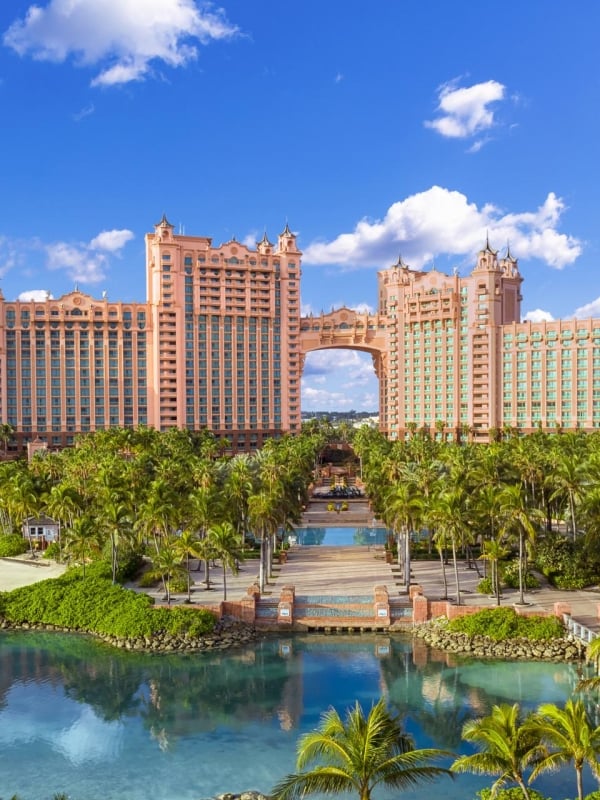
Paradise Island
Atlantis and world-class attractions.
The Heartbeat of The Bahamas
Home to Nassau, Paradise Island, world-famous resorts, beaches, culture, history, nightlife, and the economic center of The Bahamas.
New Providence is the most populated island in The Bahamas and home to Nassau, the national capital...
The earliest known inhabitants were the Lucayan people, descendants of the Taíno peoples...
For centuries these communities developed traditions, fishing practices, and trade networks...
Following Columbus' arrival in 1492, the islands entered a new era...
Spanish exploration changed the region dramatically...
Over time, competing colonial powers became interested in the Bahamas.
1696: Nassau develops as a pirate haven.
1713: Hundreds of pirates occupy the settlement.
1718: Woodes Rogers arrives and restores British authority.
Nassau became one of the most famous pirate capitals in the Atlantic world...
Blackbeard, Charles Vane, Anne Bonny, Mary Read and Calico Jack are all associated with this era.
During the British colonial period, Nassau grew as an administrative and commercial center...
Trade, migration, and maritime activity shaped society.
The Bahamas became independent on July 10, 1973...
New Providence remained the political and economic heart of the nation.
Junkanoo is one of the most vibrant cultural traditions in The Bahamas...
Music, dance, costumes, and community participation define the celebration.
Nassau was once considered the pirate capital of the world.
The Bahamas has some of the clearest water on Earth.
Junkanoo celebrations can involve thousands of participants.
Over 700 islands and cays support incredible biodiversity.
Historic architecture, shopping and culture.
Crystal waters and luxury resorts.
Atlantis and world-class attractions.
Residents
Visitors
Businesses
Explore Bahamian cuisine, seafood, fine dining, local eateries, and waterfront restaurants.
Experience bars, lounges, casinos, live music, and entertainment throughout Nassau.
Connect with businesses across New Providence through IslandScope.